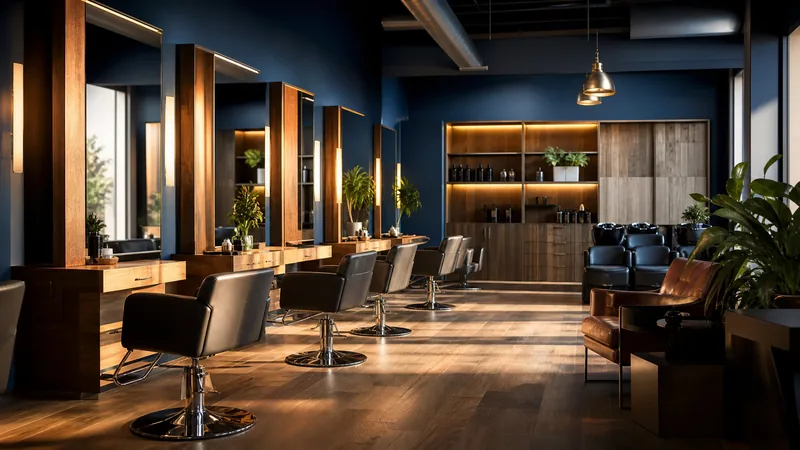
How to Start a Salon or Barbershop in New Hampshire
Last verified: November 17, 2026
If you want to learn how to start a hair salon business in New Hampshire, the licensing side runs through the New Hampshire Office of Professional Licensure and Certification (OPLC) and its Board of Barbering, Cosmetology and Esthetics. Under RSA 313-A, the state licenses individual professionals, the businesses they work in, and tanning facilities. Before you sign a lease, you need to know which licenses apply to you and who on your team has to hold them.
Opening a salon or barbershop follows a clear sequence. You get the right personal and shop licenses in place, register your business, find a location that fits local rules, and pass the shop inspection before you serve paying clients. This guide walks through that sequence, lists what to gather first, and points out the mistakes that cause the most delay.
What You Need Before You Start
Gather these items before you start the applications. Having them ready keeps the process from stalling partway through.
- Proof of training for each licensed professional, such as school records or apprenticeship documentation
- A lease or purchase agreement for a location you have confirmed is zoned for a salon or barbershop
- A business name and a decision on your business structure
- A federal employer identification number from the Internal Revenue Service (IRS)
- A floor plan that shows each workstation and the sanitation area, so the inspector can review the layout
- Funds for the application, inspection and renewal fees listed in the fee table below
- Insurance quotes for the shop and its staff
Step-by-Step Guide to Opening Your Salon or Barbershop
The steps below follow the order that works best for most new owners. Some tasks, such as insurance quotes and the floor plan, can run at the same time. The shop license and the inspection must be finished before you open to clients.
Step 1: Decide Which License Type You Need
Start by matching your business model to the license it requires. A barbershop, a hair salon and a mobile barbershop each involve different personal and shop licenses. Your choice also determines which services you can offer and who must hold which credentials.
Opening or running a salon, barbershop or mobile barbershop without a shop license is a misdemeanor under RSA 313-A:19. If you own the shop but do not practice personally, you need a licensed manager. Make sure that person is in place before you apply.
Some services are licensed separately. OPLC has its own Body Art Practitioners board and Massage Therapists board. If your salon plans to offer tattoo, microblading or massage, check those programs before you finalize your service menu.
Natural hair braiding is exempt under RSA 313-A:25. Confirm exactly what that exemption covers with OPLC before you build your business plan around it.
Important: Do not open to clients until your shop license is issued. Operating without one is a misdemeanor under RSA 313-A:19.
Step 2: Confirm the Training Hours for Your Licenses
Every personal license requires a set number of training hours, and the hours may depend on whether you train in a licensed school or as an apprentice. This guide does not list the hours for barbers, cosmetologists, estheticians or manicurists, so confirm them with OPLC before you enroll in a school or an apprenticeship.
Step 3: Apply for Personal Licenses
Each barber, cosmetologist, esthetician or manicurist who works in your shop needs a personal license that matches the services they perform. Apply through OPLC using the Universal Application for Initial Licensure, and confirm that it is the correct form for your license type.
The personal license fee is $55.00 per 2 years. Apprentices pay the apprentice certification fee of $55.00 per 2 years. Check the OPLC fee page for the Board of Barbering, Cosmetology and Esthetics for the current amounts before you pay.
For application requirements and the list of license types, start with the OPLC Board of Barbering, Cosmetology and Esthetics page.
Step 4: Choose Your Business Structure and Name
Decide whether you will operate as a sole proprietorship, a limited liability company (LLC) or a corporation. Each structure affects your liability, taxes and paperwork, so talk to an attorney or CPA before you file.
Register your business with the New Hampshire Secretary of State. Expect a filing fee, and confirm the current amount and processing time with the Secretary of State before you submit your paperwork.
Step 5: Set Up Tax and Employer Accounts
Get a federal employer identification number from the IRS. Then check which state tax registrations your salon needs. The New Hampshire Department of Revenue Administration (DRA) handles state tax accounts, and you can manage them through its online system, Granite Tax Connect.
If you plan to hire staff, you will need to report wages to New Hampshire Employment Security (NHES) using the NHES Tax and Wage Report. Confirm your registration steps with NHES before your first payroll.
Step 6: Find a Location and Check Local Rules
Before you sign a lease, check zoning for a salon or barbershop with your city or town. Depending on how your municipality is organized, that may mean the planning board, the zoning board of adjustment or the city clerk. Local approval is separate from your state licenses, so you need both.
Confirm fire safety and building requirements with the State Fire Marshal before you finalize your floor plan. Ask about any changes the building owner will need to make, and get those commitments in writing.
Step 7: Apply for Your Shop License
Operating a shop requires a shop license. Apply through OPLC and pay the shop license fee of $110.00, which the OPLC fee page lists for application, renewal and reinstatement. The fee rule sets the shop license fee per 2 years.
If you own the shop but do not practice personally, your application must show a licensed manager. Make sure the manager's personal license is current before you submit.
Step 8: Pass the Shop Inspection
A shop must pass inspection before it opens. The OPLC fee page lists a $150.00 initial inspection fee for shops and a $100.00 routine inspection fee. Budget for both, and keep the premises clean and organized before the inspector arrives.
Confirm the inspection checklist and how to schedule your visit with OPLC before you plan your opening date.
Step 9: Set Up Your Renewal Calendar
Licenses and the shop registration both renew on a 2-year cycle under the fee rule, and routine inspections continue after you open. Set up a calendar that tracks each renewal date for the shop, the manager and every licensed stylist.
Missing a renewal can lead to reinstatement fees and gaps in your ability to operate, so treat renewals as part of the business, not an afterthought.
What the Licenses Cost
The table below lists the fees shown on the OPLC fee page. Fees can change, so confirm the current amounts on that page before you pay.
| License or registration | Fee on the OPLC fee page |
|---|---|
| Personal license (barber, master barber, cosmetology, manicurist, esthetician) | $55.00 |
| Apprentice license or certification | $55.00 |
| Shop license | $110.00 |
| Shop initial inspection | $150.00 |
| Shop routine inspection | $100.00 |
| School license | $346.00 |
| Tanning facility registration | $170.00 |
| Instructor or shop instructor license | $82.00 |
The fee rule, Plc 1002.7, sets these amounts per 2 years. Add the cost of your business registration, insurance, equipment and lease to these figures when you build your startup budget.
Common Mistakes to Avoid
- Opening before the shop license is issued. Operating without a shop license is a misdemeanor under RSA 313-A:19.
- Owning the shop without a licensed manager. If you do not practice personally, the shop needs a licensed manager.
- Assuming a service sits outside licensing. Body art and massage are licensed separately, and the natural hair braiding exemption under RSA 313-A:25 has a specific scope.
- Signing a lease before checking zoning. State licenses do not replace local approval.
- Skipping the floor plan. An inspector needs to see how the shop is laid out, so build the plan before your visit.
- Letting licenses lapse. Track every renewal date for the shop and each licensed professional.
Tips for a Smoother Launch
- Start with the OPLC board page so you know which licenses your business model needs before you pay any fees.
- Check the fee page again just before you submit, because fees can change.
- Ask OPLC about the inspection timeline early, so your lease start date and opening date line up.
- Keep copies of every application, receipt and inspection report in one file for future renewals.
- Talk to an attorney or CPA about your business structure before you file, and to an insurance agent about coverage for your staff and clients.
What Results You Can Reasonably Expect
Following these steps may help you open a shop that is licensed, inspected and ready for clients. Results depend on your location, your staff's training status and how quickly each agency processes your paperwork.
This guide does not cover processing times. Confirm them with OPLC, the Secretary of State and your local planning or zoning office before you set a firm opening date.
Frequently Asked Questions
Do I need a licensed manager if I own the salon but do not cut hair?
Yes. If you own the shop but do not practice personally, you need a licensed manager. Confirm the details of the arrangement with OPLC before you apply for your shop license.
How much does a shop license cost in New Hampshire?
The OPLC fee page lists $110.00 for the shop license for application, renewal and reinstatement. Shops also pay a $150.00 initial inspection fee and a $100.00 routine inspection fee. Confirm current amounts on the fee page before you pay.
Is natural hair braiding regulated in New Hampshire?
Natural hair braiding is exempt under RSA 313-A:25. This guide does not describe the full scope of that exemption, so confirm what it covers with OPLC before you offer the service.
Does this guide cover tattoo, microblading or massage businesses?
No. OPLC has separate Body Art Practitioners and Massage Therapists boards. Confirm the requirements for tattoo, microblading and massage with the agencies that administer them.
Disclaimer
This content is for general information only. It is not legal or tax advice. Consult an attorney or CPA before you form a business, sign a lease or make tax decisions.
Sources
- OPLC fee page for the Board of Barbering, Cosmetology and Esthetics
- OPLC Board of Barbering, Cosmetology and Esthetics page
- RSA 313-A, Barbering, Cosmetology and Esthetics, including RSA 313-A:19 and RSA 313-A:25
- Plc 1002.7, the fee rule for the Board of Barbering, Cosmetology and Esthetics
- OPLC Find a Board page, for the Body Art Practitioners and Massage Therapists boards